closetplace
Why Client Feedback Is the Most Important Part of Closet Design
# Client Collaboration Rocks
Why Client Feedback is the Most Important Part of Closet Design
Every closet project begins with a problem. Too many shoes. Not enough hanging space. A narrow room that never worked. A sloped ceiling that complicates everything. Design is the process of understanding that problem clearly and exploring the best way to solve it.
The clients who end up loving their new closets the most are the ones who stay involved from the beginning. They ask questions. They share photos of ideas they like. They tell me what isn’t working in their current space. They’re honest about their budget. They ask for revisions when something doesn’t feel right. That collaboration always leads to a better result.
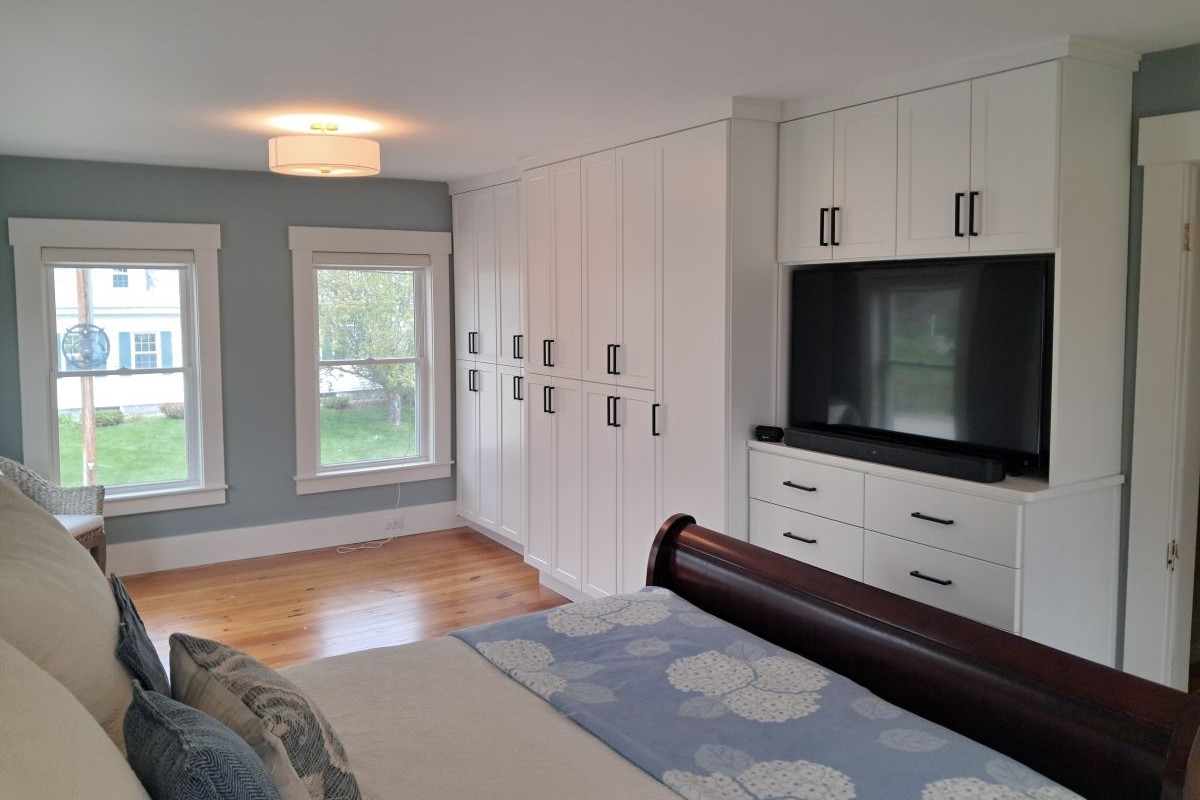
A closet design isn’t a fixed product. It’s a series of choices — layout, function, materials, budget — and each choice shapes the next. When clients give feedback early, we can test ideas, compare options, and refine the design until it fits the way they live. When clients stay quiet, the design becomes guesswork, and guesswork rarely produces the best solution.
The design phase is the time to explore. It’s the time to look at alternatives, adjust the layout, and make sure the project solves the problem it set out to solve. A few minutes of conversation can reveal something essential: a preference for more drawers, a dislike of open shelving, a need for long‑hanging space, a budget limit that shifts the materials. These details matter.
The reviews we receive reflect this pattern. The most enthusiastic comments come from clients who were engaged throughout the process. They took the time to think about their needs. They shared inspiration photos. They responded to design drafts. They helped shape the final plan. Their involvement didn’t complicate the project — it strengthened it.
A well‑designed closet is never an accident. It’s the result of a clear problem, an open conversation, and a willingness to refine the design until it works. Your feedback is the most important tool in the room.